You've reached the stage where your team needs outside help with its design system: cleaning up Figma files, aligning components with code and shipping consistent work. But where do you start? Agencies differ widely in size, pricing, location and how they actually work. Here's how to compare them.
What to look for in a design system agency
Proof they've done it before. Look for design system work in public case studies that match your problem. If an agency does this work regularly, they will show it on their website.
Nordic presence. Do they have an office or clients in the region, or is their client base spread across Europe or North America? This tells you a lot about their working style, contract pace and whether you can sit in a room with them.
Engineering capability. Do they ship production code, or hand off Figma files? Depending on your needs, you may want a partner that does both.
Company size and typical client size. Pick an agency used to working with companies your size. Too big or too small, and you'll hit a bottleneck down the road.
Engagement model. Fixed project, retainer, embedded team or staff augmentation. Each suits a different stage.
Our picks, in alphabetical order
Antrop (Stockholm, Sweden)
Best for: research-led service and product design in Sweden
Who they are: A Stockholm UX consultancy registered in 2001, with around 35 employees. They focus on analysing real customer experiences to design services that fit people's needs and behaviour.
Strengths: Client satisfaction. Antrop took gold in the service and product design category at Årets Byrå 2025, an award decided by a client survey instead of a jury.
Notable work: A design system for SJ, Sweden's national rail operator, which started from 40 versions of the same button.
Best fit: Large Swedish organisations that need research, service design and a design system together.
Bakken & Bæck (Oslo, Norway)
Best for: brand plus product under one roof
Who they are: An independent studio founded in 2011, with 60+ designers, engineers and strategists across Amsterdam, Barcelona, Bonn, London and Oslo.
Strengths: Breadth. They combine strategy, design and code, list design systems among their capabilities, and have worked with AI for over ten years. That brand and ML range is wider than most studios on this list, EDL included.
Notable work: Defining future homes with IKEA and building decentralised platforms with Coinbase.
Best fit: Companies that need a new brand, website and product designed as one system.
DEPT (Amsterdam, Netherlands)
Best for: enterprise scale
Who they are: A global agency of about 4,000 people on five continents, split evenly between tech and marketing, with a dedicated Nordics team.
Strengths: Scale and recognition. Gartner named DEPT a Leader in its 2026 Magic Quadrant for global digital marketing agencies.
Notable work: Design systems for eBay, Heinz and London Marathon Events, plus a single source of truth for Douglas after its rebrand.
Best fit: Enterprise brands running a design system alongside a replatforming or rebrand.
Donux (Milan, Italy)
Best for: AI-native B2B SaaS products
Who they are: A B2B product studio offering design and engineering for software teams with complex, data-heavy and AI products, with 80+ SaaS products designed and built.
Strengths: Their own tooling. They build and run AI-native products, including Frontfriend, which makes a design system readable by AI.
Notable work: A design system for 4DEM that cut development time by 50%.
Best fit: Scale-ups whose product is growing faster than it can stay consistent, and corporates modernising existing software. Their remote, async model suits teams that want outcome-based delivery instead of a partner sitting in daily standups.
EDL (Copenhagen, Denmark) (we had to!)
Best for: embedded design engineering with B2B SaaS scale-ups
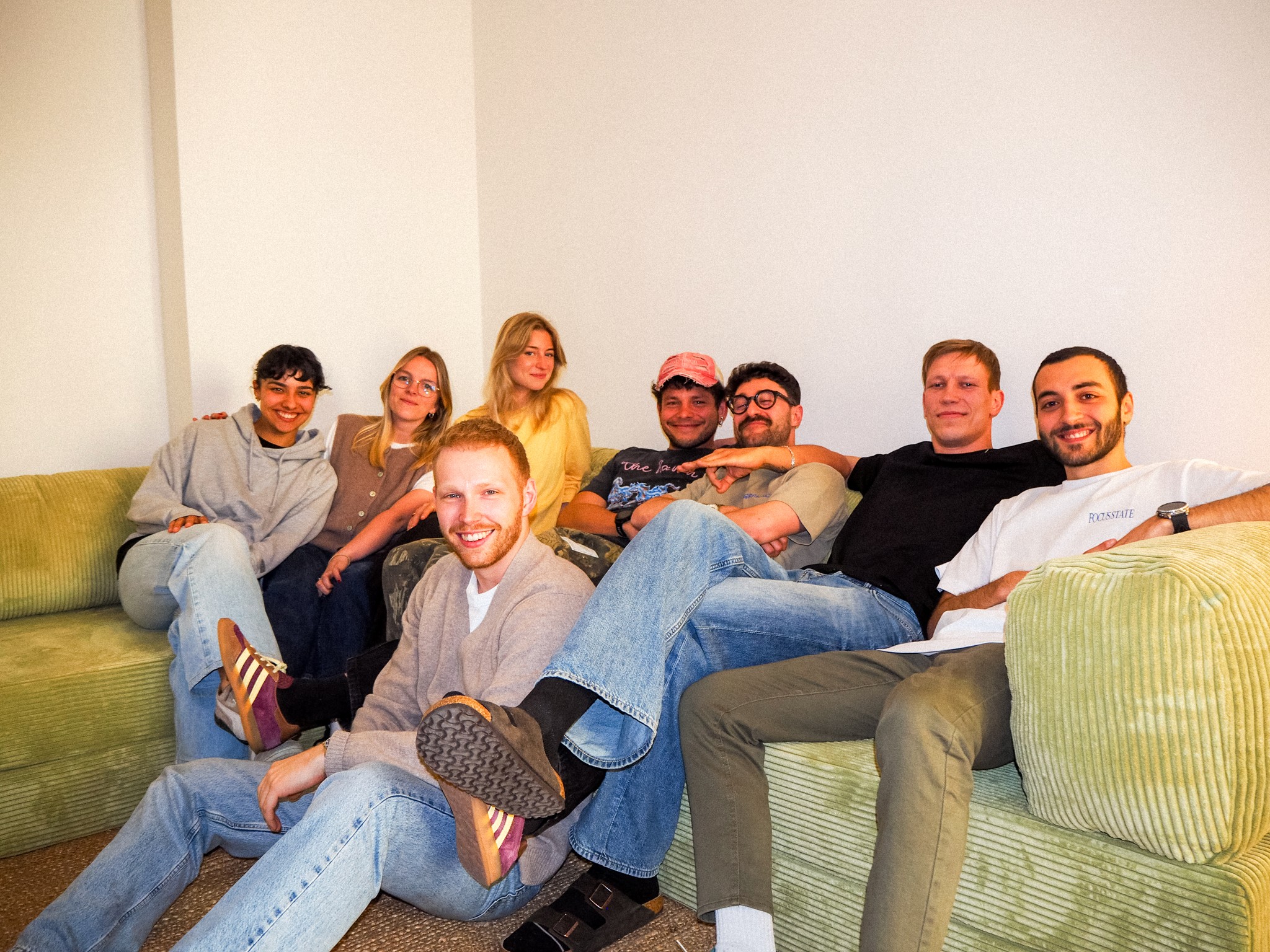
Who we are: A nine-person design engineering studio founded in 2021. Designs and builds production front-end code instead of handing off static files.
Strengths: Owning the design-to-development handoff, and working embedded in client standups, Slack and planning. Engagements run as quarterly retainers, usually starting with a two-to-three-week Design System Assessment.
Notable work: 86% design system adoption for Propbinder's tenant experience, and an award-winning AI-first design system for AXON Networks.
Best fit: B2B SaaS teams of 20 to 100 people who need a working design system now, not after they've hired and onboarded their first specialist. We plug into your team, ship production code from week one, and leave you with a system your engineers actually use.

Fireart Studio (Warsaw, Poland)
Best for: full-cycle design and development with global reach
Who they are: Founded in 2013, with 50+ designers and JS developers, a main office in Warsaw and operations in the US and UK.
Strengths: Range. They cover UI design and development, including design system guidelines that keep a product consistent as it grows, from design through to release.
Notable work: Clients listed include Google, Atlassian, Pipedrive, Swisscom and Bolt.
Best fit: Teams that want one partner for design and build across web and mobile, with the flexibility to scale from hourly support to a dedicated team managed by their own project lead.
How to choose
Start with your bottleneck. Whichever you pick, ask to see a design system they've shipped and talk to the team that built it. A strong partner will show you adoption numbers, not just screenshots. The right agency leaves your team able to maintain the system on its own, instead of depending on outside help every time a component changes.
Not sure where your design system stands today? Take our health score quiz at edl.dk/quiz, or book a Design System Assessment and we'll map exactly what's slowing your team down.


jeanne-lacelle.jpg
Jeanne Lacelle
Marketing & Communications
Jeanne makes sure the right people know what we do. She leads marketing and communications with a clear instinct for what deserves attention and how to give it the recognition it deserves.