A modern B2B MSP platform, redesigned from the ground up
Enterprise B2B
Redesigning Cloud Factory’s core platform for speed, clarity, and scale
Cloud Factory needed to modernise a technically complex MSP platform used by partners selling Microsoft, Adobe, Dropbox, and other licenses. The experience served three audiences with different needs. The legacy workflows were difficult to navigate, visually inconsistent, and time-consuming to maintain.
We embedded with their team to redesign the full experience, build an AI-ready design system, and formalise a repeatable UX research process. The result is a faster product, clearer workflows, and a developer-first system that accelerates releases and reduces operational cost.
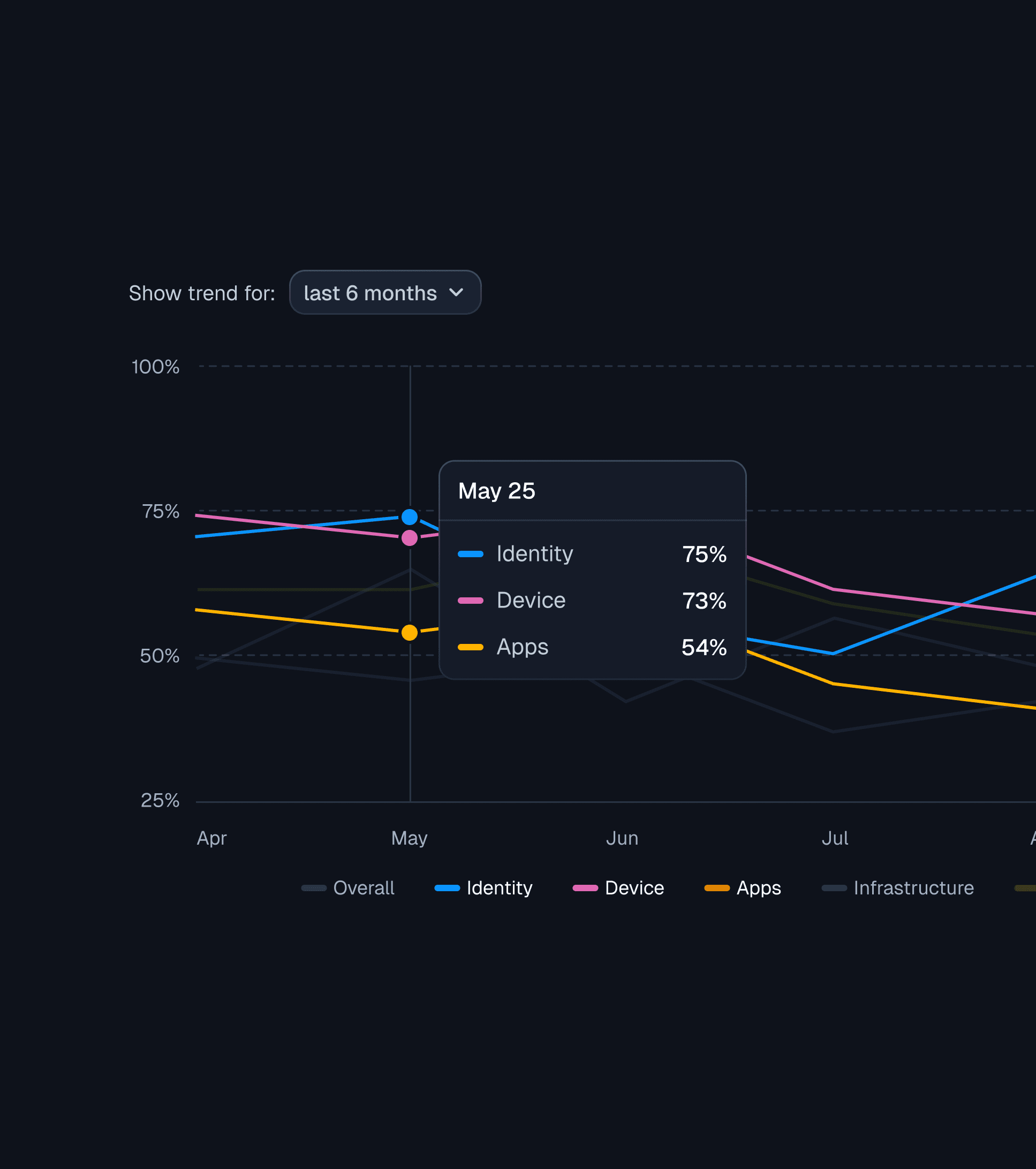
A unified three-faced platform experience built with an AI-ready design system.
A platform built for three audiences
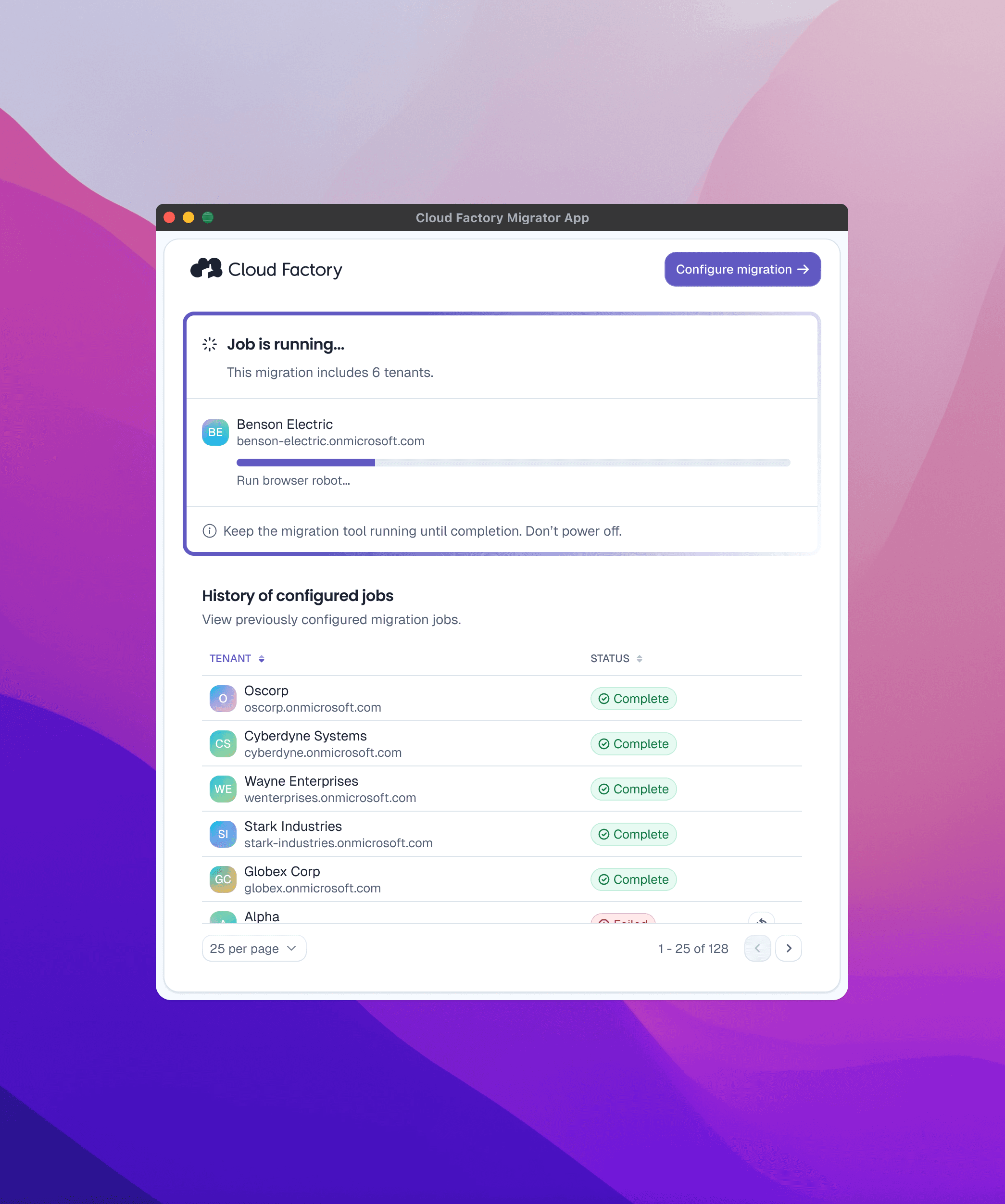
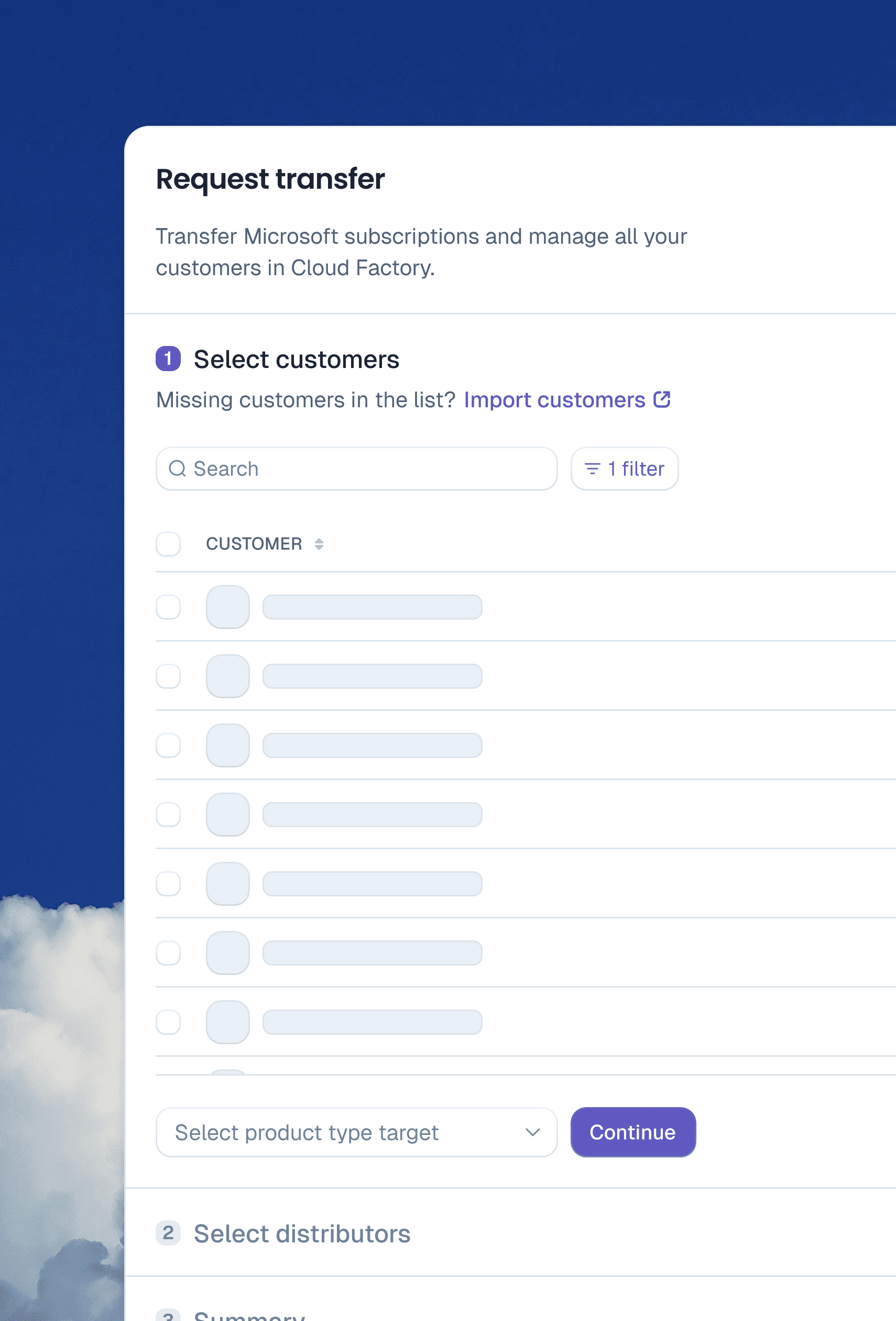
Cloud Factory operates across three surfaces: a robust Partner Care console, a partner-facing portal, and a simplified experience for end-customers. The redesign focused on making these surfaces feel cohesive while supporting varied levels of complexity.
We mapped workflows across all user types through 15 interviews and targeted UX research cycles, ensuring that every decision was validated with real usage patterns.
“EDL helped us simplify a very complex product without cutting any capability. The clarity they brought changed how we think about scale.”

Jacob Schmidt
Founder & CEO
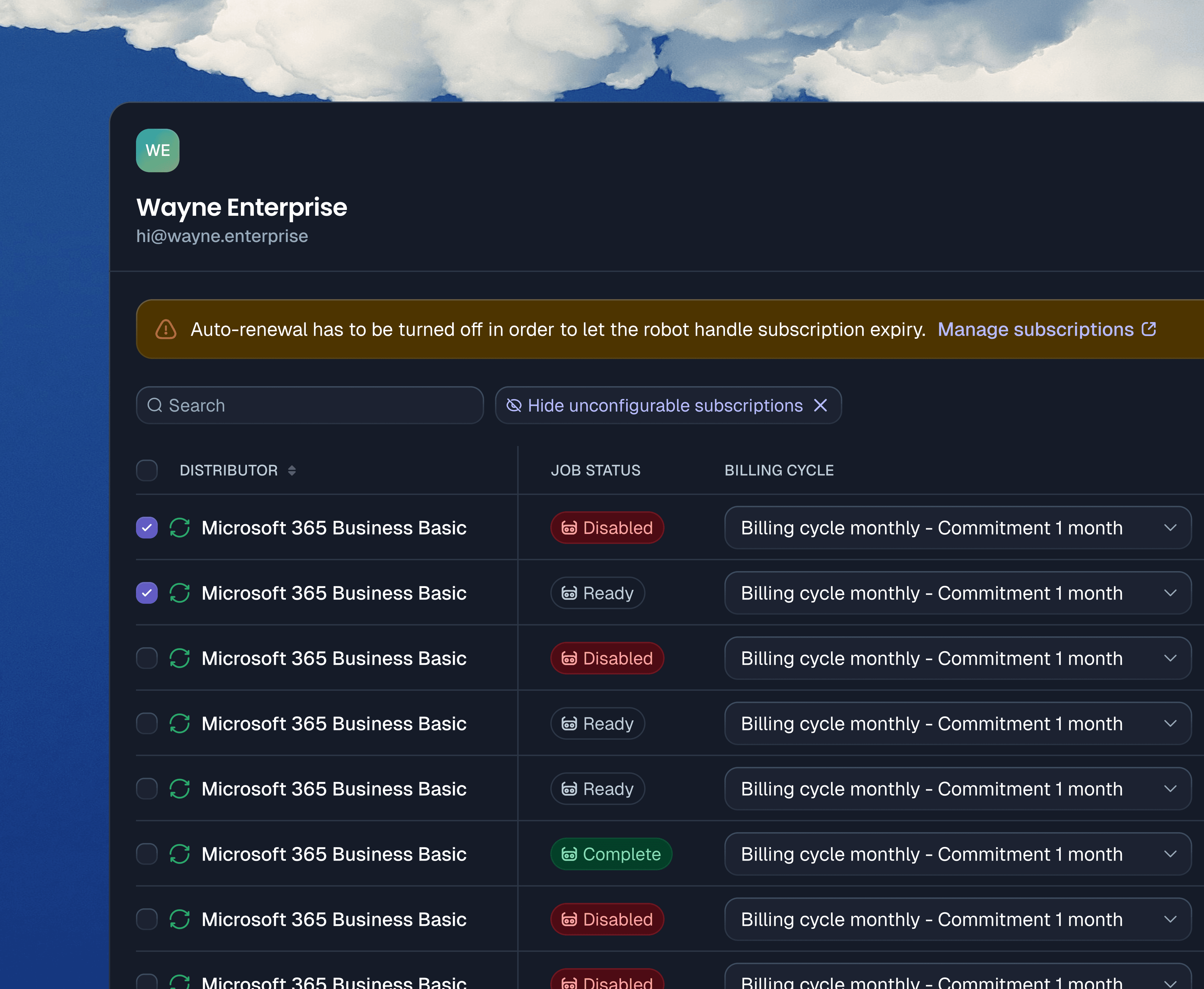
Mapping multi-layered workflows into a unified mental model through a consistent design language and intuitive UX patterns.
Data-driven UX research guiding every decision
Research was continuous. We ran structured interviews with Cloud Factory management, Partner Care teams, and key partner organisations from local MSPs to enterprise providers.
This gave us a measurable foundation for workflow improvements and accessibility requirements.
This aligns with our benchmark-driven, accessibility-first research model used across all complex SaaS platforms.
“The research cadence was a game-changer. Every design update came with evidence, not assumptions.”

Mark Ewert-Junge
Head of Product



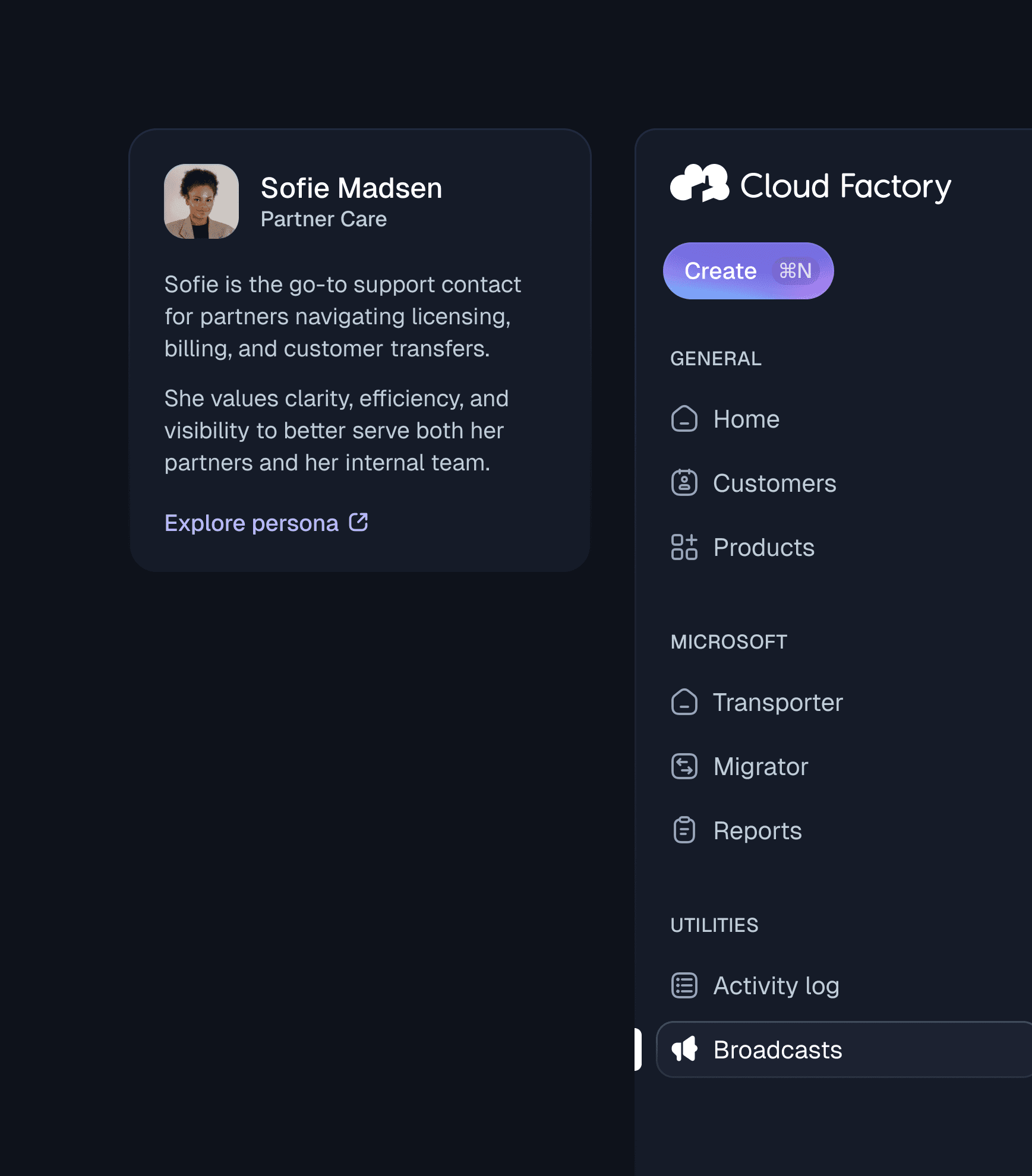
All our product design work is driven by personas and research insights collected by our UX team.
Delightful product design for a complex SaaS platform
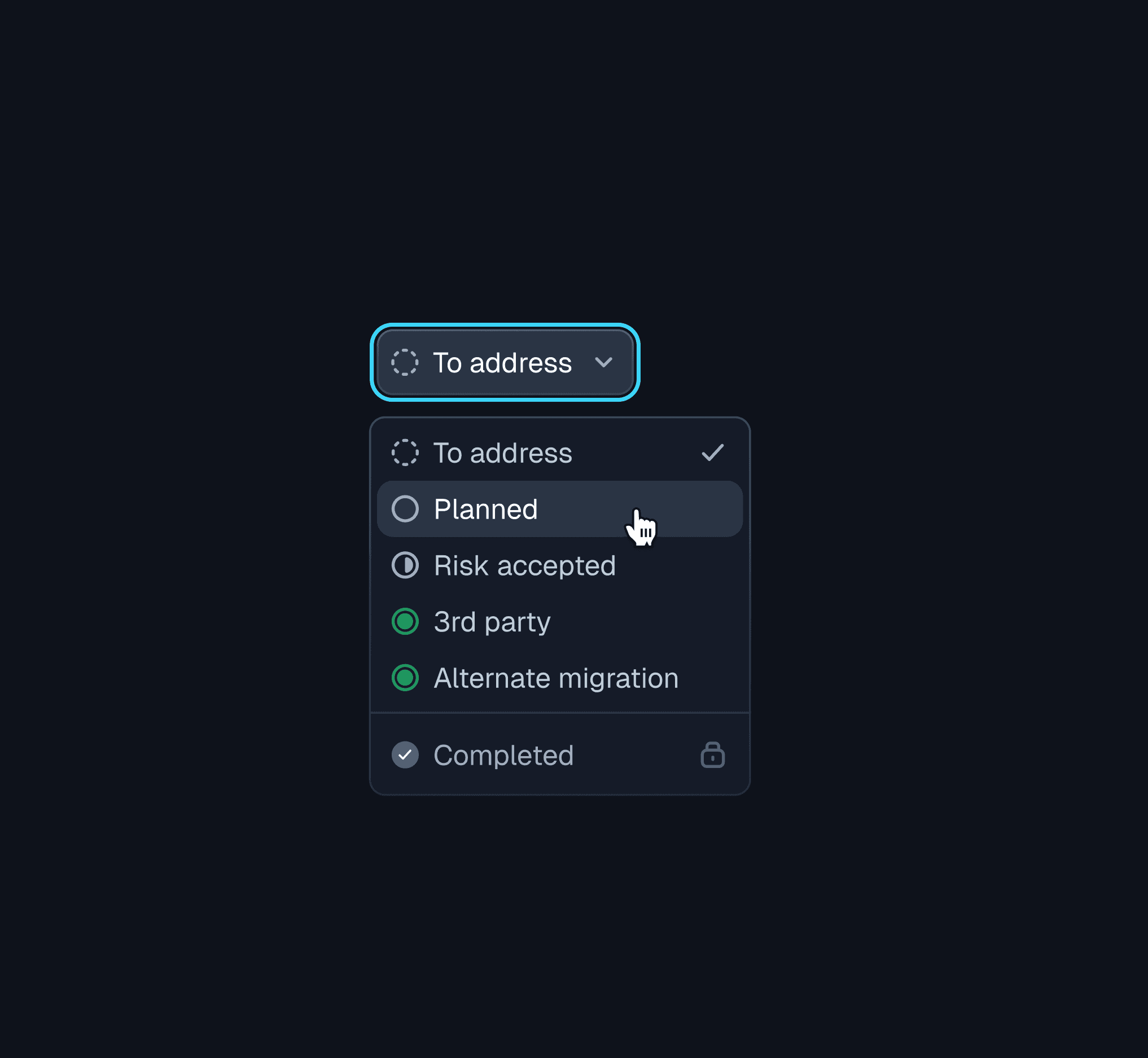
Our design team of three operated as an embedded extension of Cloud Factory’s product team. Designs were system-native from day one. Every screen was built with live component structures to avoid handoff gaps and reduce rework. This ensured the product shipped faster, felt cohesive, and reflected a clear visual identity across all device sizes.
This approach mirrors our integrated product-design pipeline: research, systems, and UI working as one.
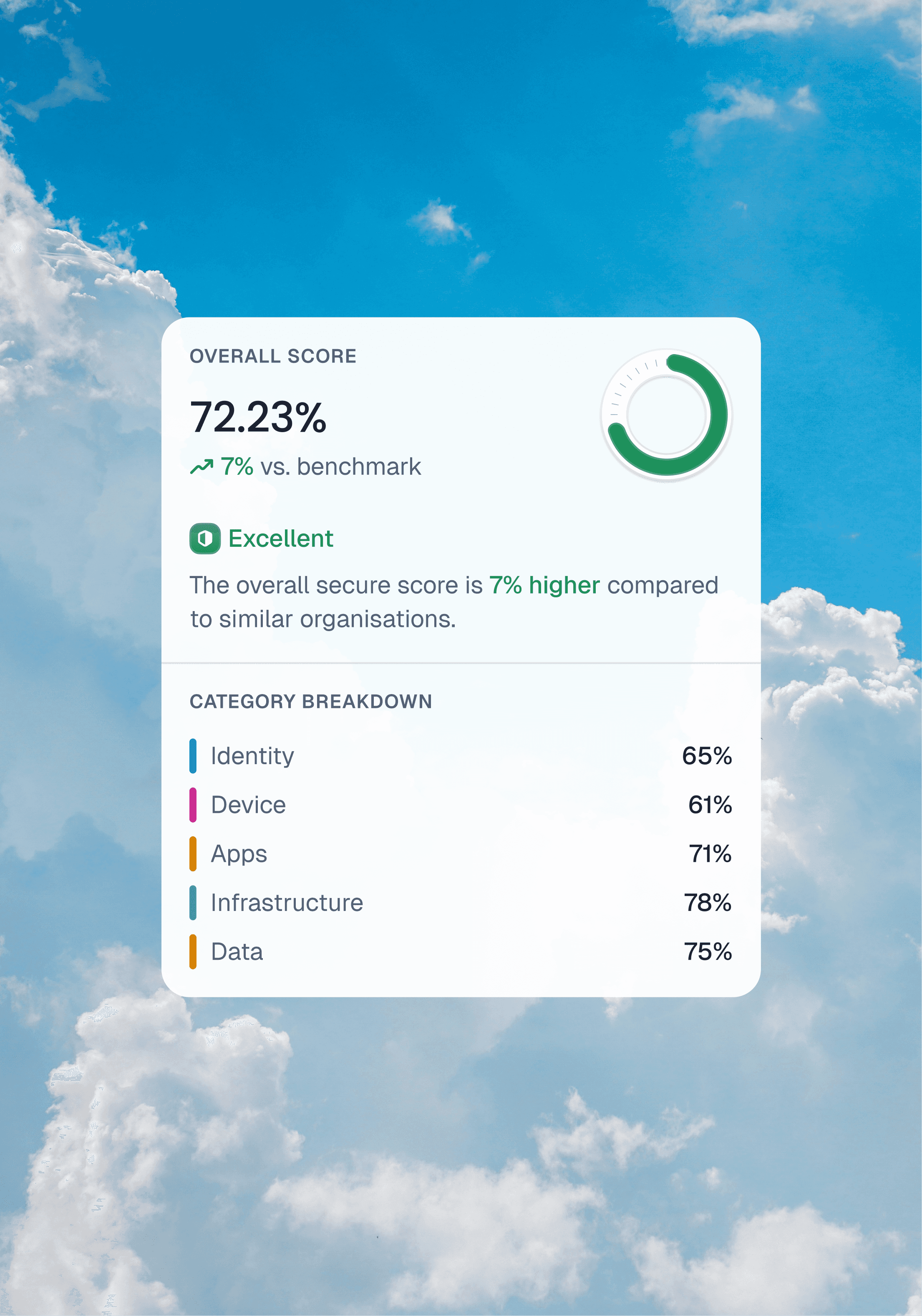
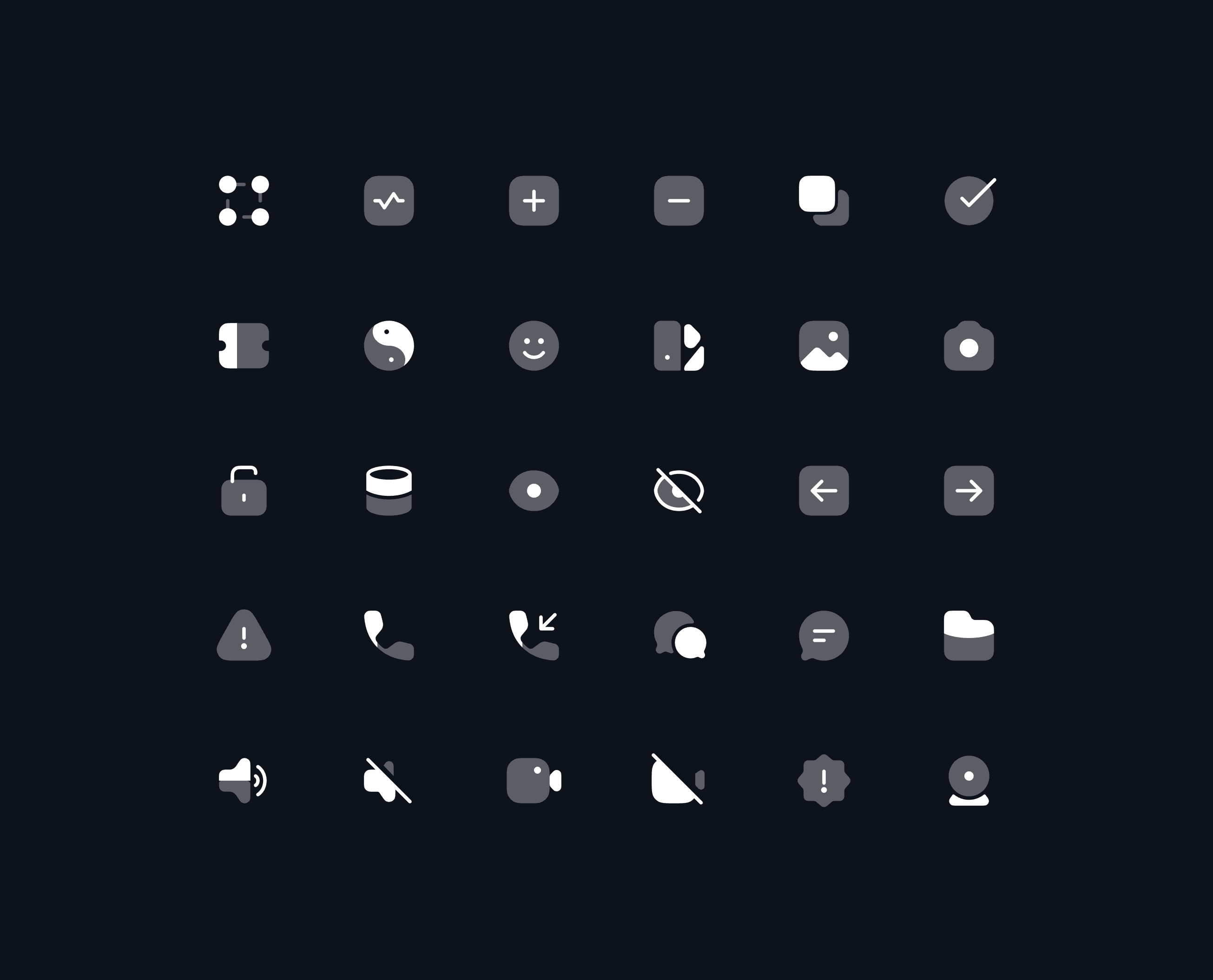
An AI-ready design system powering development
Cloud Factory needed a system that could scale with their roadmap and support an engineering team releasing bi-weekly. We designed a token-driven, AI-ready design system built directly for their development stack and Storybook.
This reduced unique style definitions, improved visual consistency, and provided a foundation for automation. The system launched with clear governance, contribution guidelines, and measurable KPIs.
“The design system cut our implementation time dramatically. We now ship UI without rethinking components from scratch.”

Kjartan Emil Dige
Developer
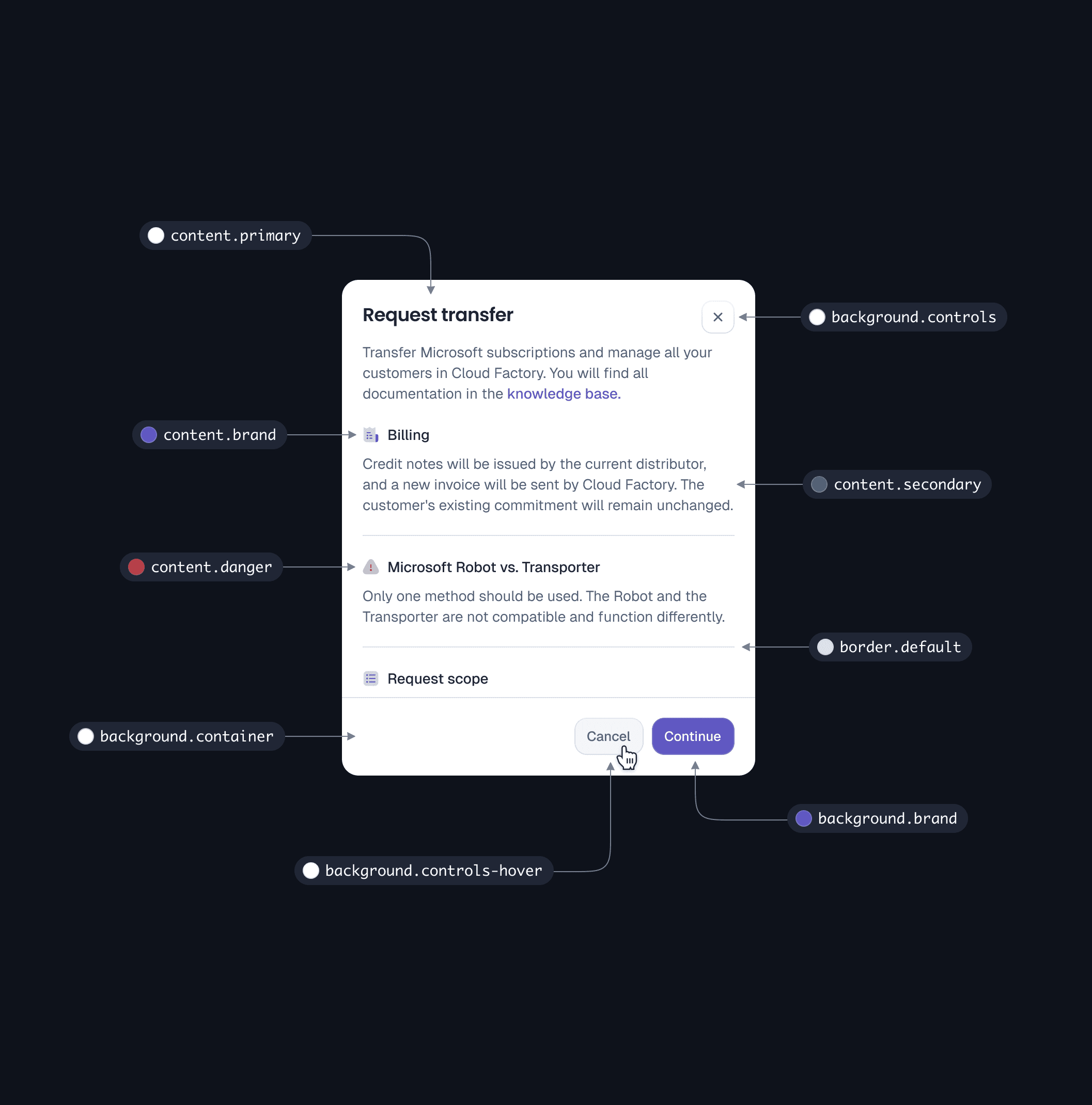
Developer-first components and structure for an easy design-to-code workflow. Coupled with measurable metrics to define success.
Engineering the system for real-world development
We engineered a token architecture that mapped directly to Cloud Factory’s codebase, using a clear Core–Alias–Component hierarchy and a semantic variable model in Figma that removed ambiguity in the handoff. This allowed developers to implement UI with precision, using naming and structures that matched their real workflow.
Cloud Factory’s engineering team built the Storybook library on top of our specifications, creating a shared technical language that made the system fast to adopt, easy to maintain, and ready for future automation.
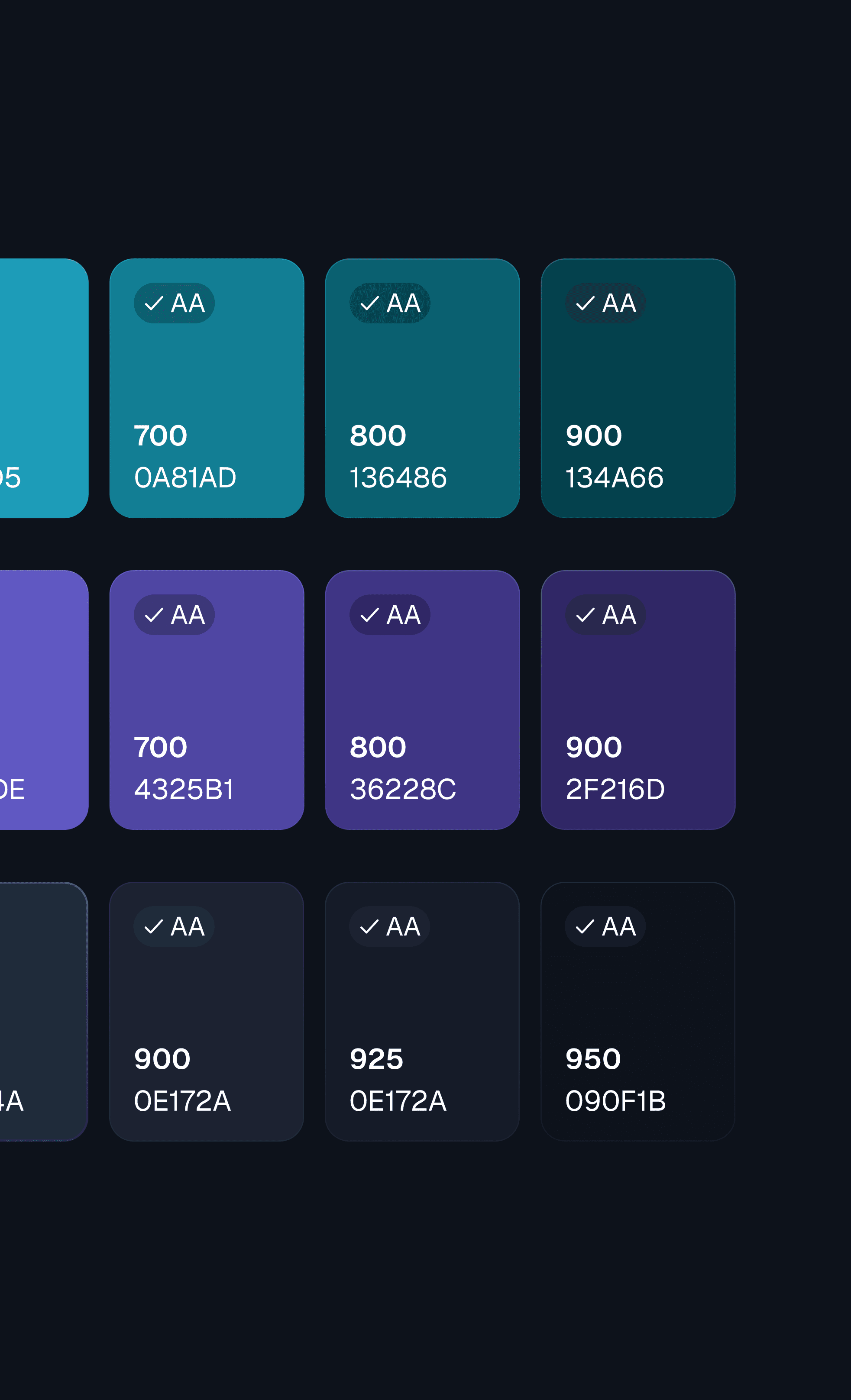
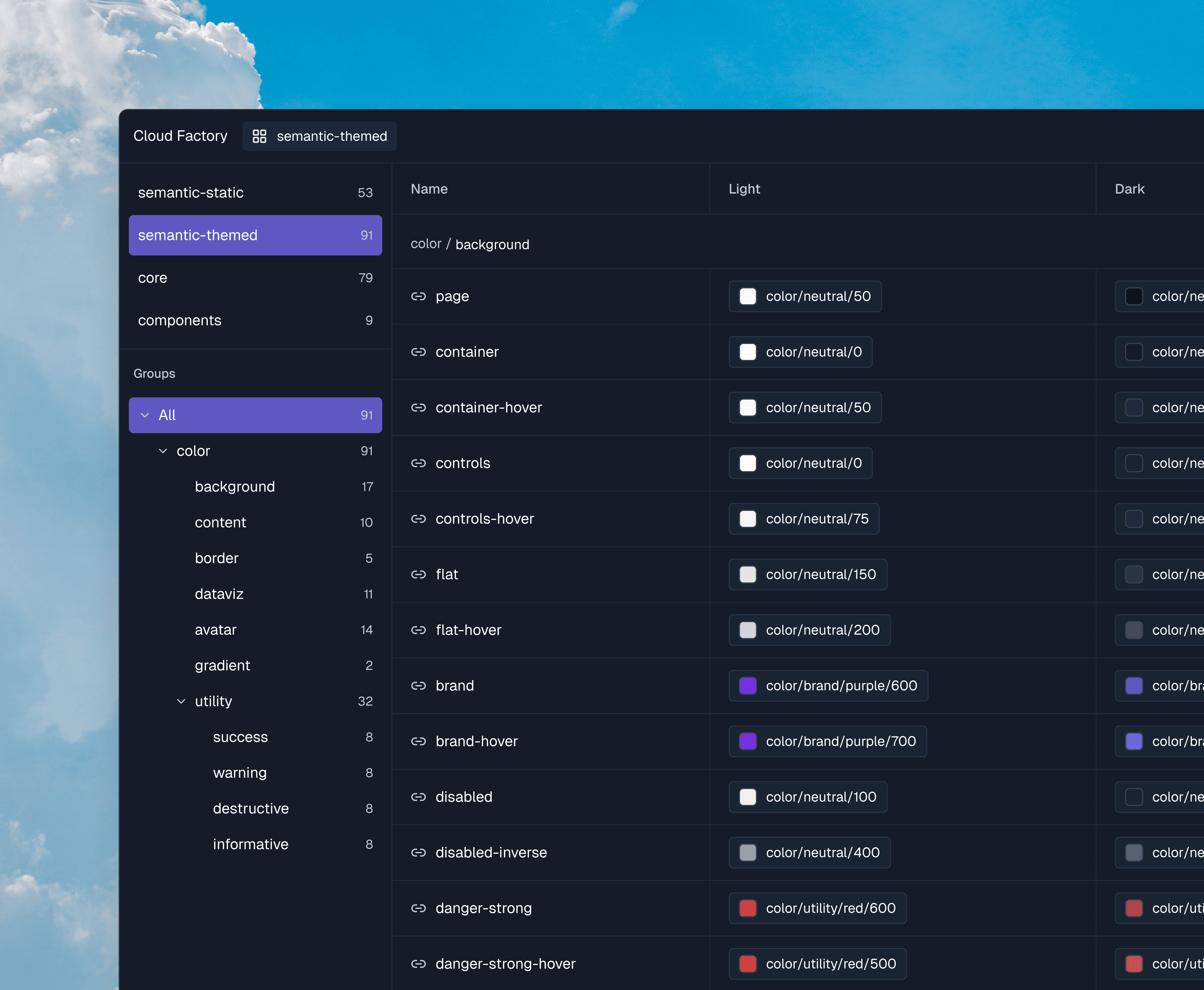
Semantic tokens and developer-aligned architecture powering a faster, frictionless design-to-code workflow.
Collaborative delivery with measurable outcomes
Cloud Factory’s team needed freedom to focus on the business while we handled the design process. We accelerated frontend development, clarified the user journeys, and delivered a scalable foundation for future features.
The platform is now positioned as one of the most modern MSP experiences in the market.
70%
design system adoption coverage
1.5×
faster delivery cycles
−30%
QA time on new features
We can help you, too
If you’re scaling fast and need design that performs at the pace of engineering, let’s start with a sprint. We’ll prove what outcome-driven design can do in four weeks.
Design that ships. Code that scales. Teams that move faster.