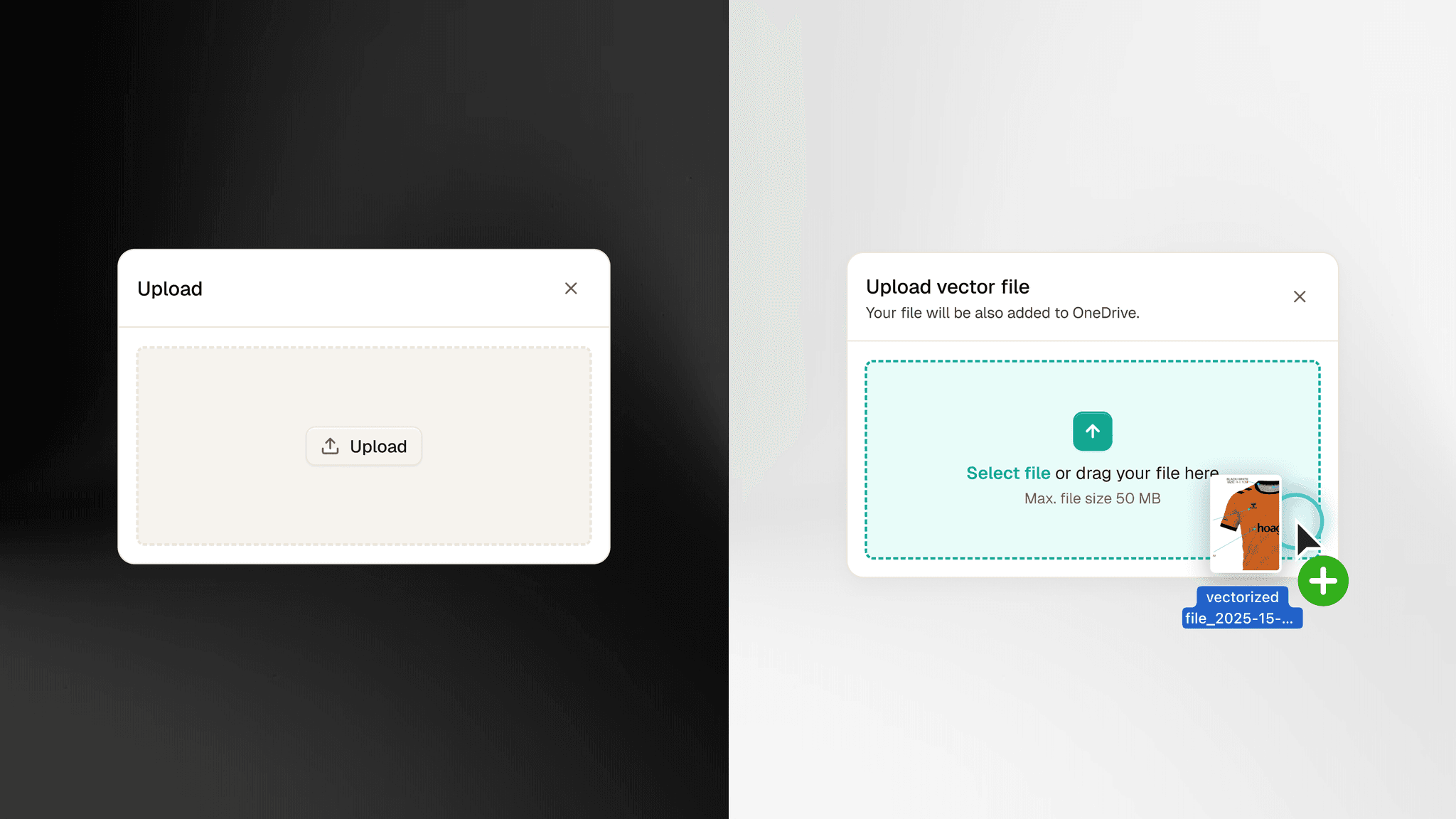
No one opens a dashboard hoping to admire the interface. They open it to achieve something. They’re not there to evaluate your UI. They’re there to approve invoices, analyse a dashboard, send a report, or move a task forward. The interface is not the point: it’s the path.
High-quality products aren’t defined by how impressive they look or how clever their interactions are. Their real strength lies in what they remove: friction, hesitation, and second-guessing.
When a product works well, users don’t stop to decode a label. They don’t reread a confirmation message to make sure they understood it correctly. They don’t hover over a button, wondering what will happen next. They simply act and move on.
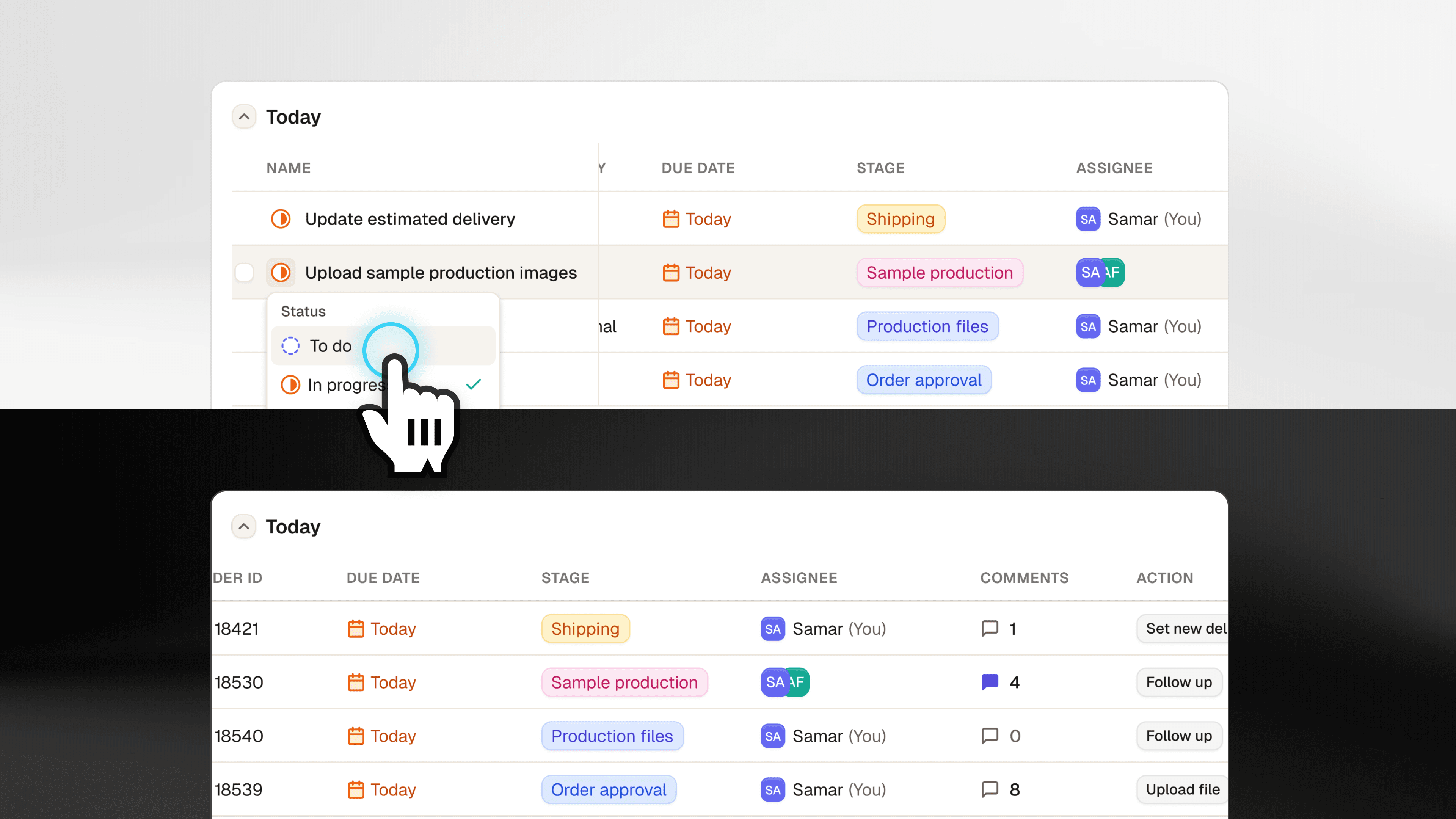
A sticky column keeps the context visible and surfaces quick actions. Without it, users get lost as soon as they scroll.
Focus on outcomes
Great products are measured by what they enable.
In a B2B context, especially, every interaction is tied to a decision, a deadline, or a metric. Approving invoices affects cash flow. Reviewing dashboards shapes strategy. Sending reports influences stakeholders. The interface is part of a larger chain of consequences.
When design prioritises outcomes, it reduces cognitive load at every step. Information is structured around decisions, not aesthetics. Actions are placed where they’re needed, not where they look balanced. Feedback is immediate and clear.
In data-heavy interfaces, structural decisions make the difference. Sticky columns preserve context while scanning wide tables. Filters stay visible. Key actions remain within reach. These choices aren’t decorative refinements. They protect momentum.
Users shouldn’t have to interpret the system. They should move from intention to completion with as little friction as possible.
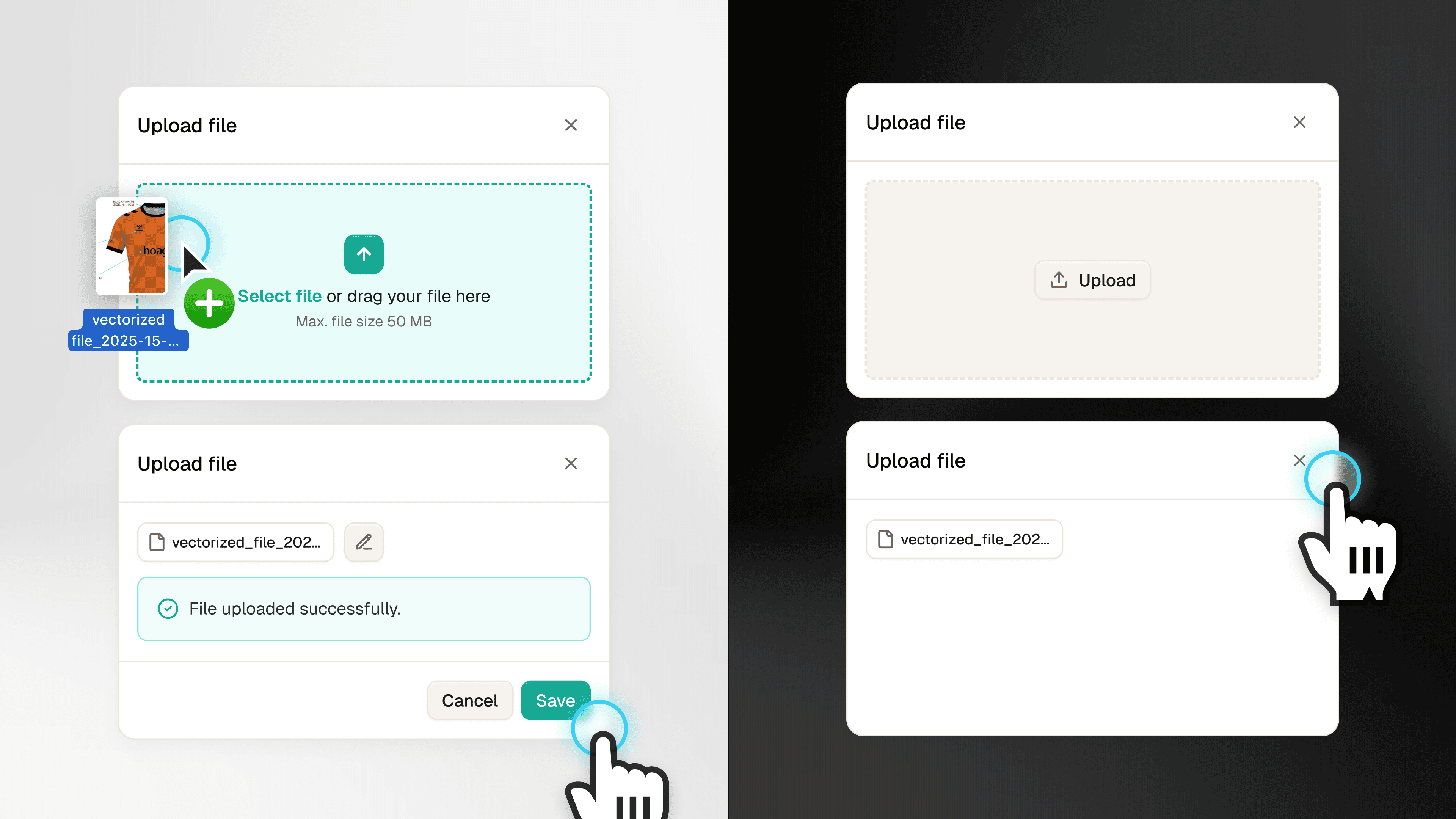
Highlighting the drop zone when dragging a file makes the interaction obvious. A success message confirms what just happened.
You only notice design when it fails
When the flow feels natural, users rarely think about why. Contrast is clear. Buttons are where you expect them to be, and accessibility is baked in. You don’t notice the designer's work until it fails.
Some examples from the real world:
B2B dashboards: Imagine scanning 50 metrics in seconds to make a business decision. If a single column is mislabeled or a filter is hidden, everything slows down. When it’s structured intuitively, users don’t pause; they just decide.
Multi-step workflows: In onboarding flows or invoice approvals, interactions should feel predictable. If one step suddenly behaves differently, if a button moves, a pattern changes, or a confirmation works differently from the previous ones, users hesitate. Not because the task is hard, but because the logic feels inconsistent.
Micro-interactions: A file uploads, but there is no confirmation. Did it work? Should you refresh? Try again? That tiny missing signal creates doubt. These small gaps are rarely praised when present, but instantly felt when absent.
Because nothing interrupts their flow, they don’t notice the issues that could have existed. That invisibility is exactly what signals quality.
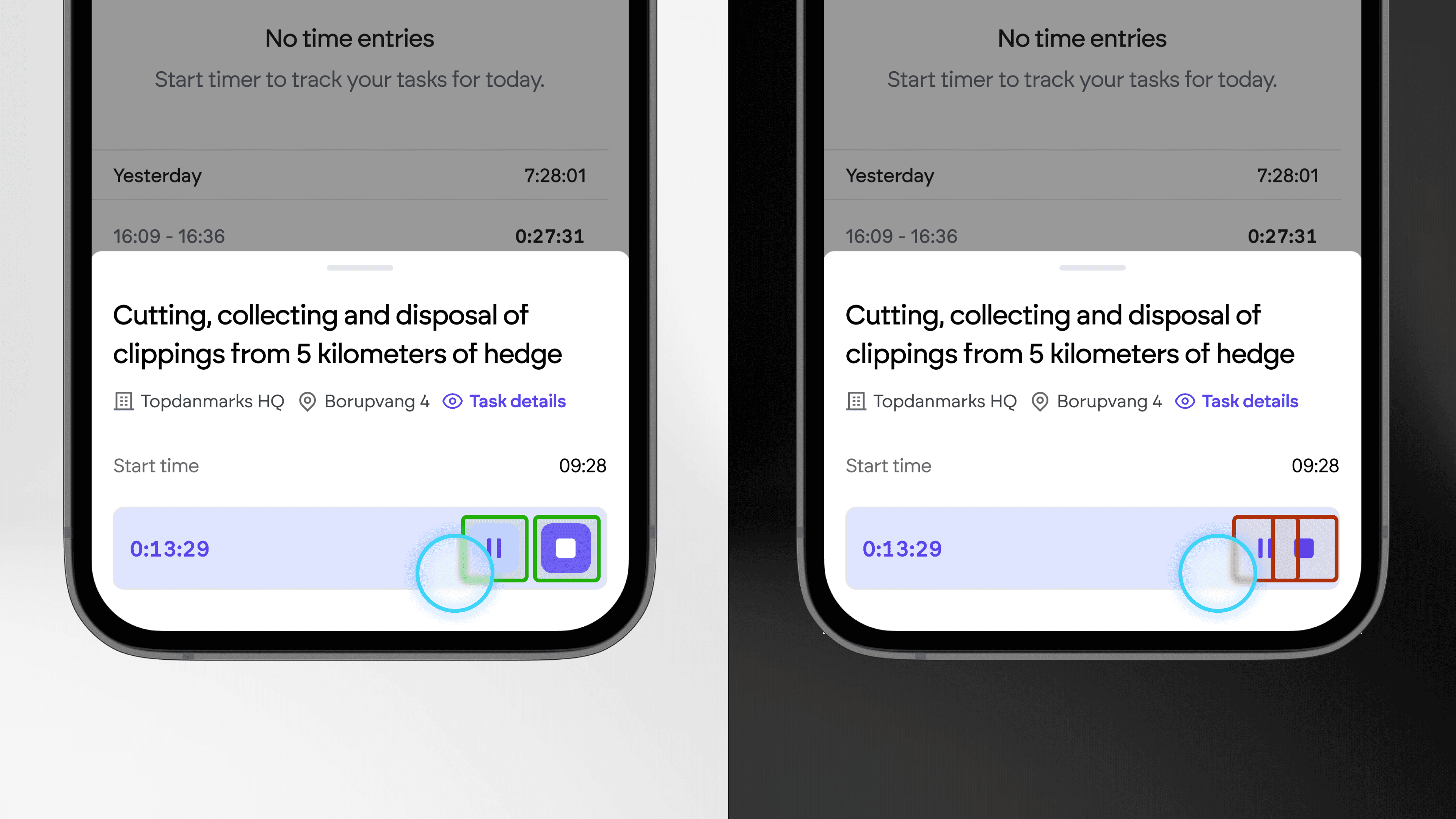
Touch areas are crucial. If they're too small, the user might tap the exact opposite of what they intended.
From friction to trust
Every fragmented layout, cluttered screen, or unclear choice adds mental weight. Over time, those small moments accumulate.
A single hesitation won’t break trust. But when uncertainty becomes frequent, it subtly changes how reliable the product feels. Users may not complain. They simply slow down. They double-check. They proceed more cautiously than they should.
A smooth, predictable interface does the opposite. It allows focus to remain on the task, not the tool. Confidence builds quietly when interactions behave exactly as expected.
This becomes critical in contexts where precision matters:
Mobile-first accessibility: Tap targets are reachable, gestures feel natural, and text is legible. You don’t notice it when it’s right, but the second it’s off, you feel it immediately.
Data-heavy applications: Inline validation, predictive search, and clear error messages quietly prevent mistakes. Users don’t notice these features until they’re missing, and frustration spikes instantly.
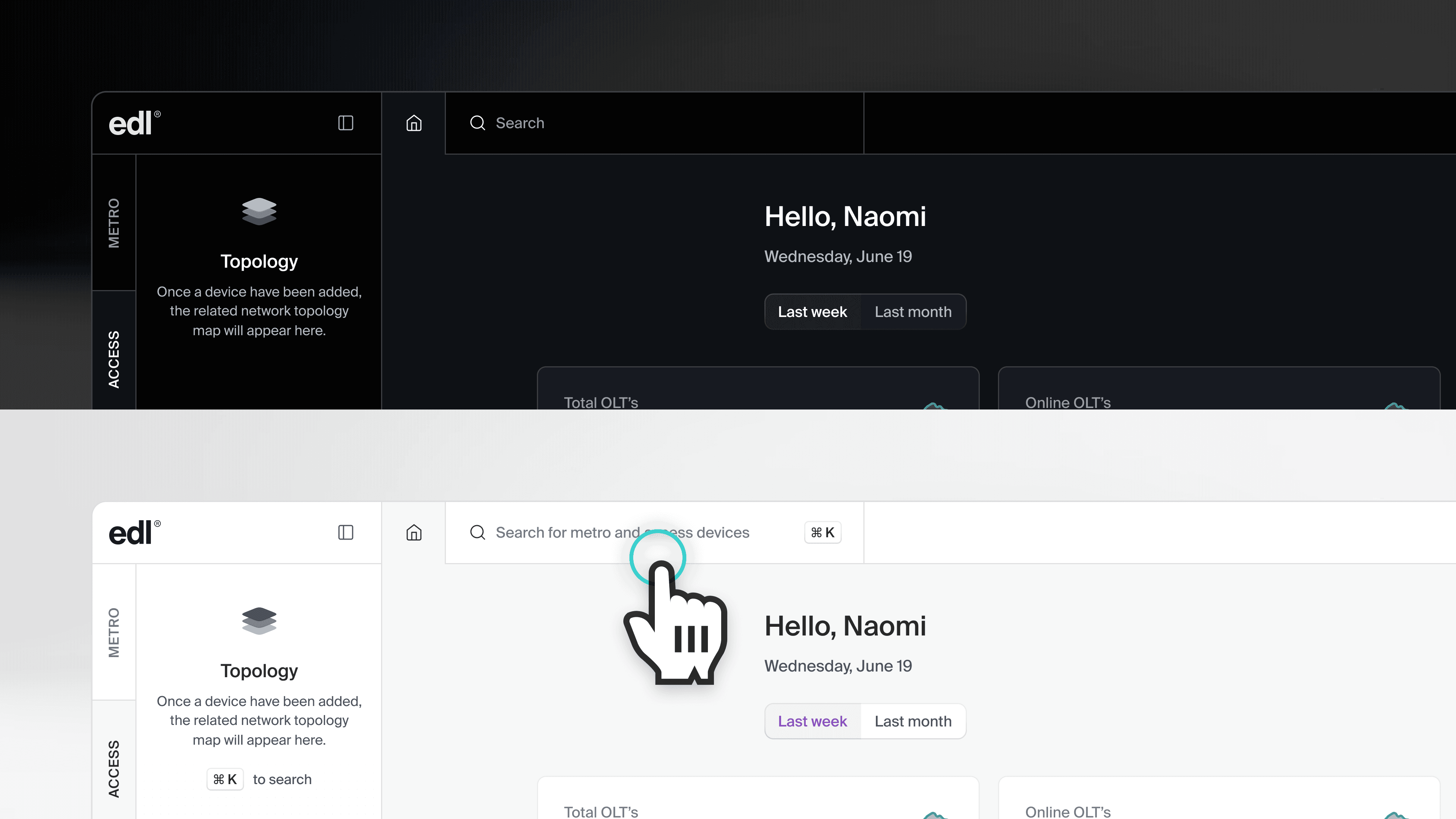
A shortcut that clicks, a placeholder that guides: small things that make users feel understood.
Making room for “aha” moments
Invisible design sets the stage for delight. Well-timed “aha” moments, like a shortcut that suddenly makes sense or a suggestion that saves time, only land when the basic flows are effortless.
If users are still figuring out the interface, they won’t notice these touches. When the foundation is solid, these small moments feel magical because they build on a frictionless experience rather than replace it.
In the end, great design is often invisible. There’s no moment where users pause to admire the interface or reflect on how well something was designed. They simply move forward.
Decisions are made faster. Data feels trustworthy. Tasks progress without hesitation. The product becomes something people rely on without thinking about it.
That quiet reliability is often the strongest signal that the product is truly well designed.

stéphanie-dorval.jpg
Stéphanie Dorval
Experience Design
Stéphanie combines holistic product understanding with solid design craftsmanship. She plays a key role in working with user flows, documentation, and handover to development.

