Goal
Scaling sustainability with consistent design
ARIS Robotics is a technology company using AI and computer vision to transform how waste is monitored and sorted. Their goal is simple but ambitious: help organisations make better decisions for a cleaner, more sustainable future. Their product uses real-time analysis to identify, classify, and optimise waste streams turning environmental responsibility into a data-driven practice.
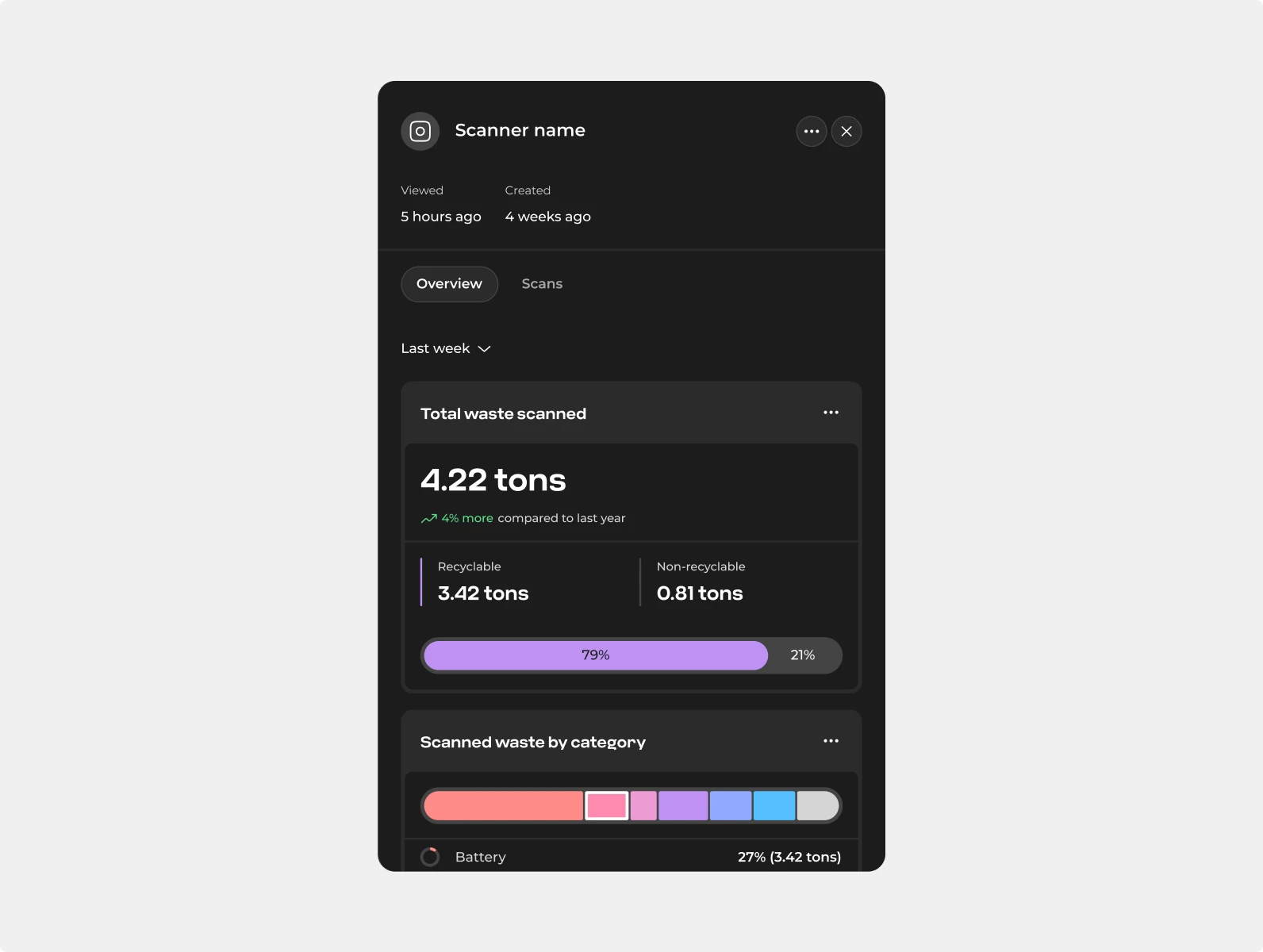
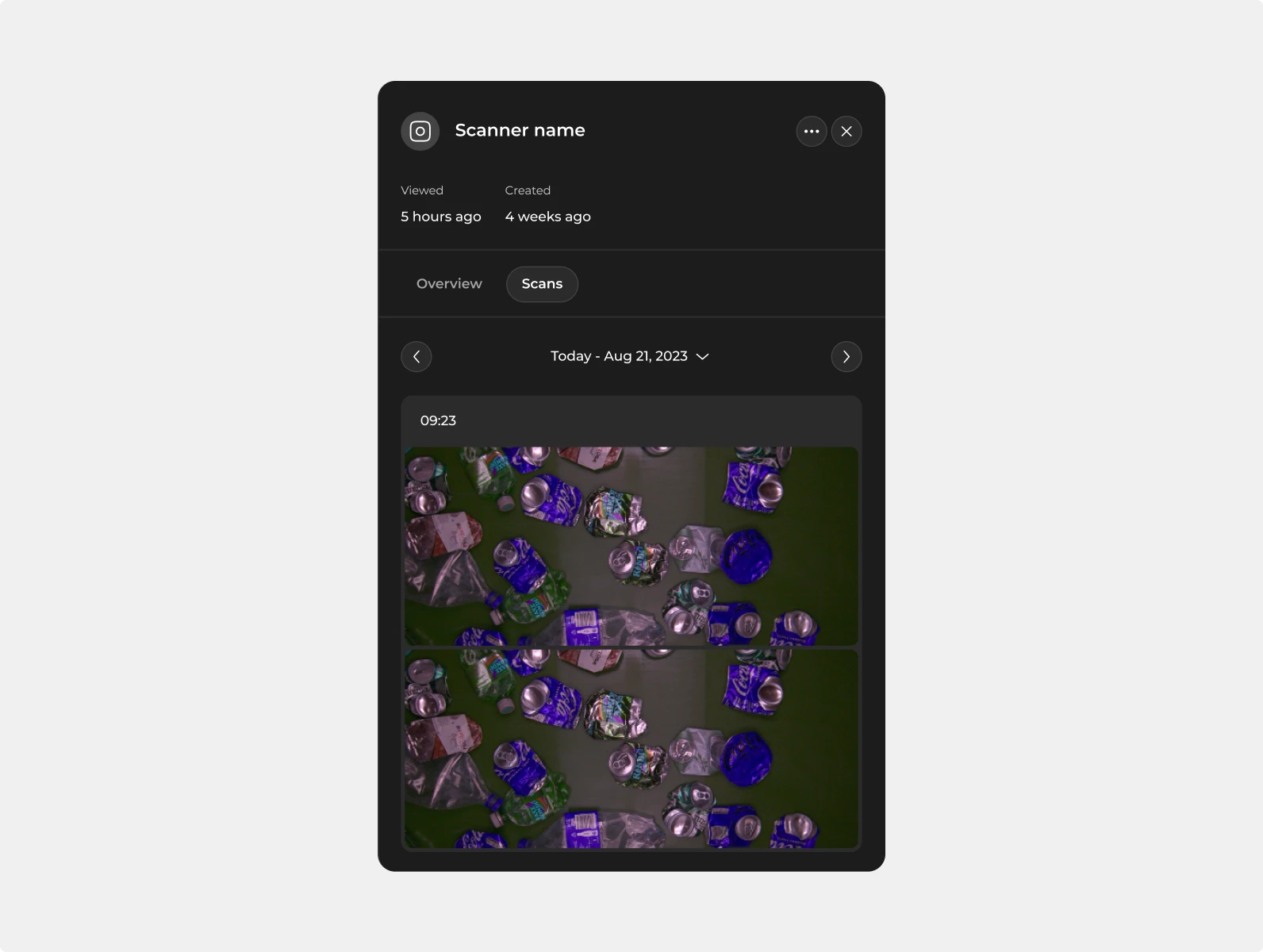
Alongside a full rebrand, ARIS needed a design system that could keep up with the complexity of their core technology. The goal was to create a scalable, cohesive interface framework that brought clarity to technical processes and aligned with their new visual identity.
Challenge
Designing fast, learning faster
The waste management sector was new territory. We had to get up to speed quickly without losing precision in our design decisions. ARIS’s product involved specialised concepts and technical detail, so the system couldn’t rely on standard UI patterns alone.
We needed to develop a visual and functional language that made the product more accessible without simplifying the core technology. It had to support a wide range of users—from sustainability officers to system technicians—while staying true to the brand’s positioning in AI and environmental tech.
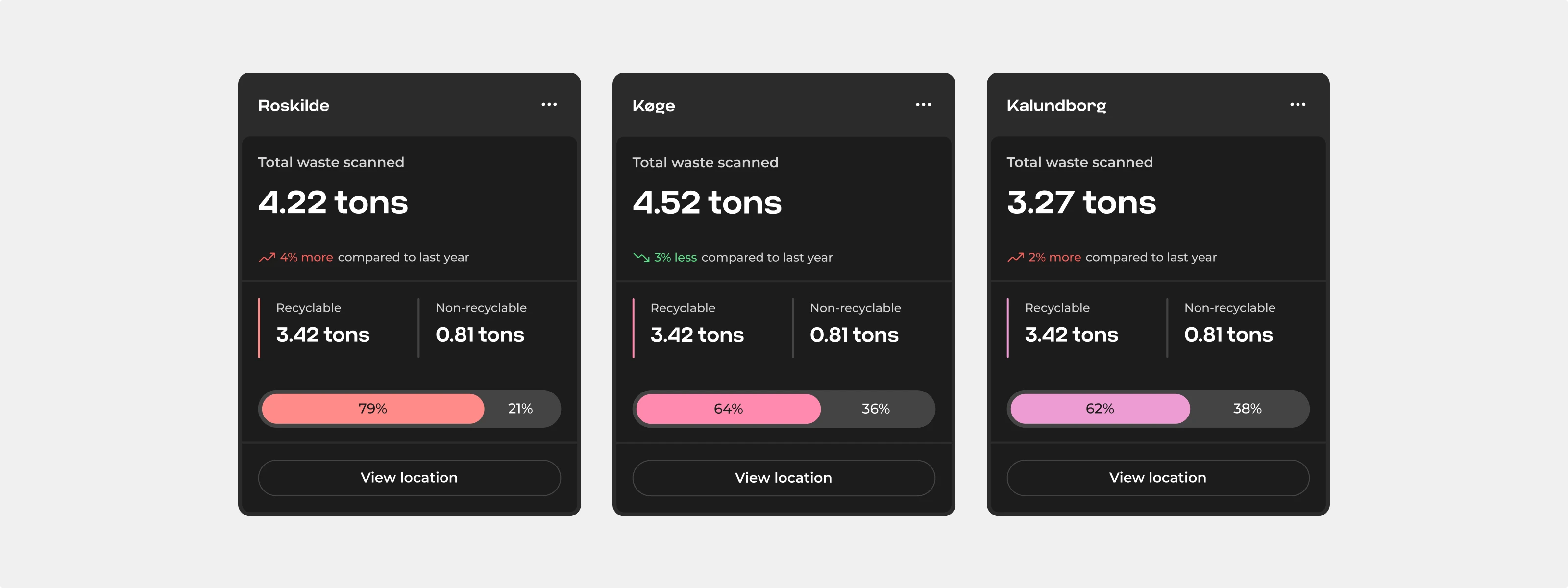
The biggest challenge was striking a balance between flexibility and consistency. The system had to scale across modules, features, and future products without becoming bloated or fragmented.
Process
User insight as the foundation
We started with in-depth interviews—speaking with potential customers, internal stakeholders, and users with hands-on experience in waste management and recycling. These conversations shaped our understanding of day-to-day workflows and surfaced areas where the interface could remove friction or create clarity.
With that insight, we mapped out key product interactions and aligned on design principles grounded in usability, accessibility, and brand cohesion. Then we began building the system, focusing on components that could flex across use cases while staying visually aligned.
We worked in parallel with ARIS’s internal teams, sharing progress and gathering feedback in weekly checkpoints. This kept the work grounded in technical feasibility while ensuring buy-in across departments. The design system evolved through iteration—tested in real contexts and refined based on feedback.
Outcome
A system that reflects purpose and drives product clarity
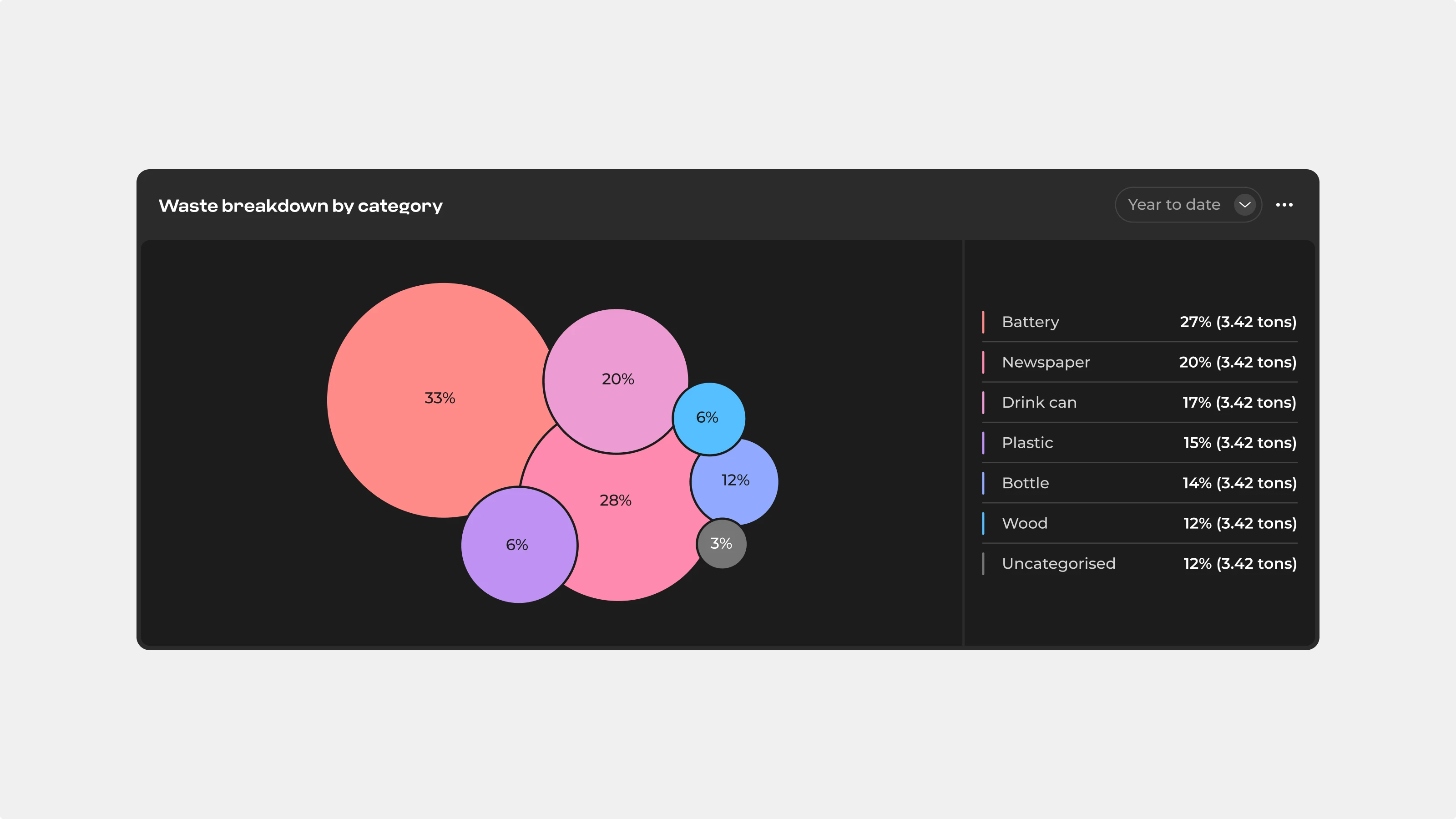
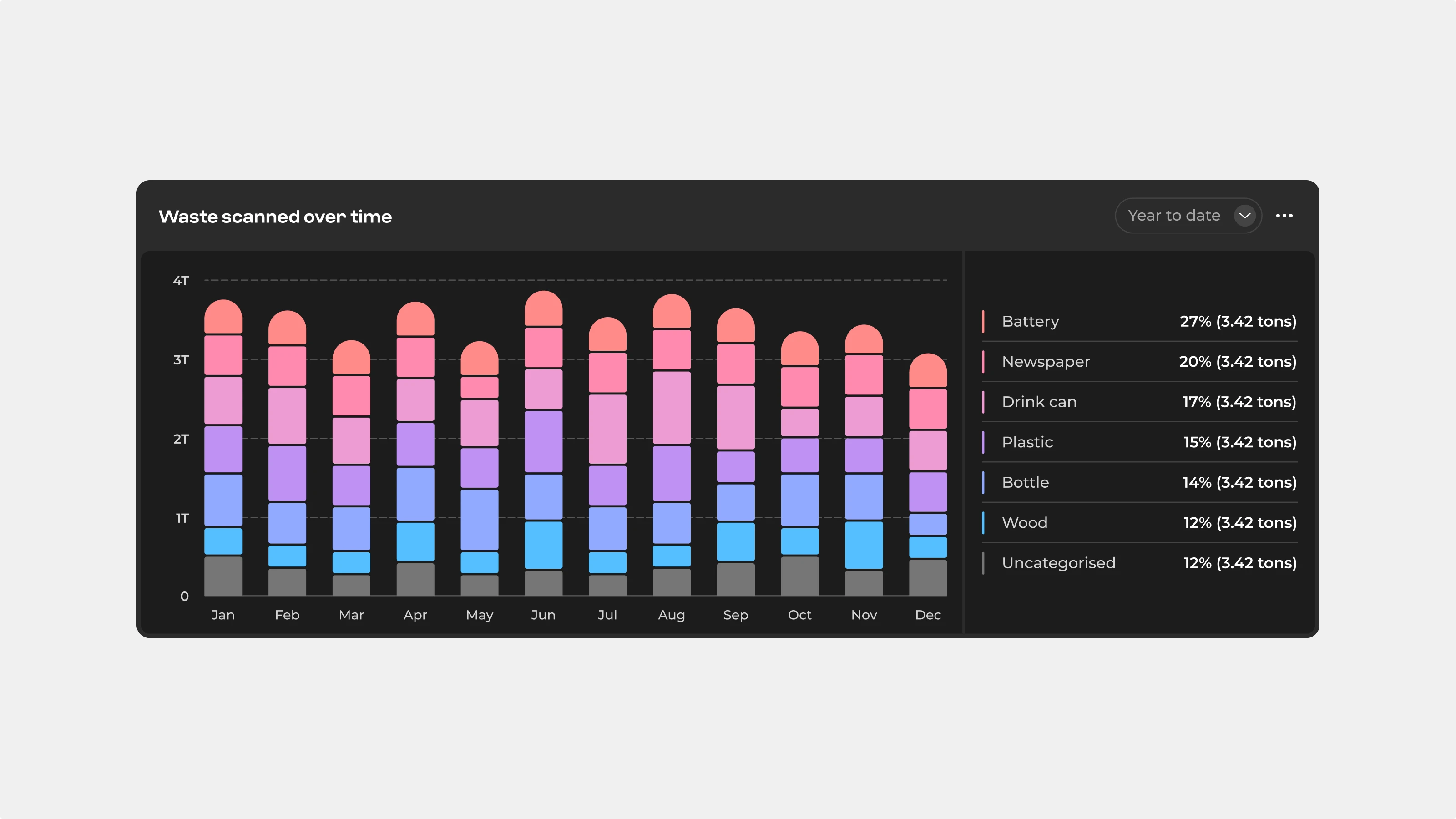
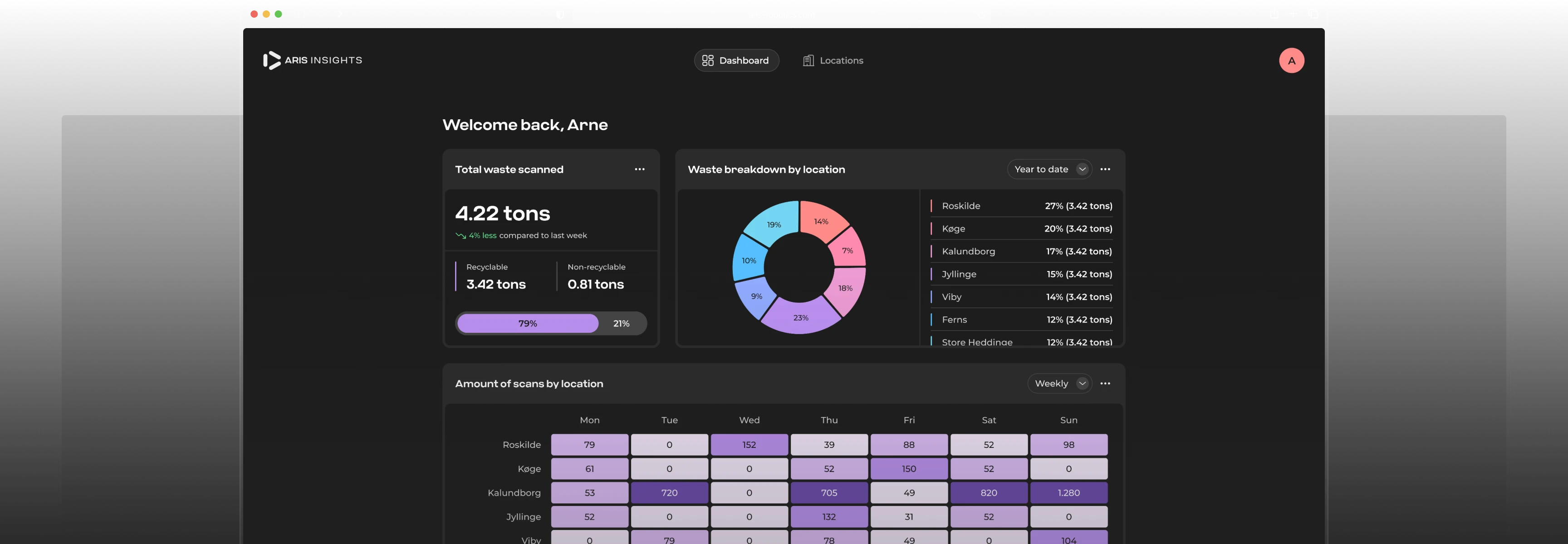
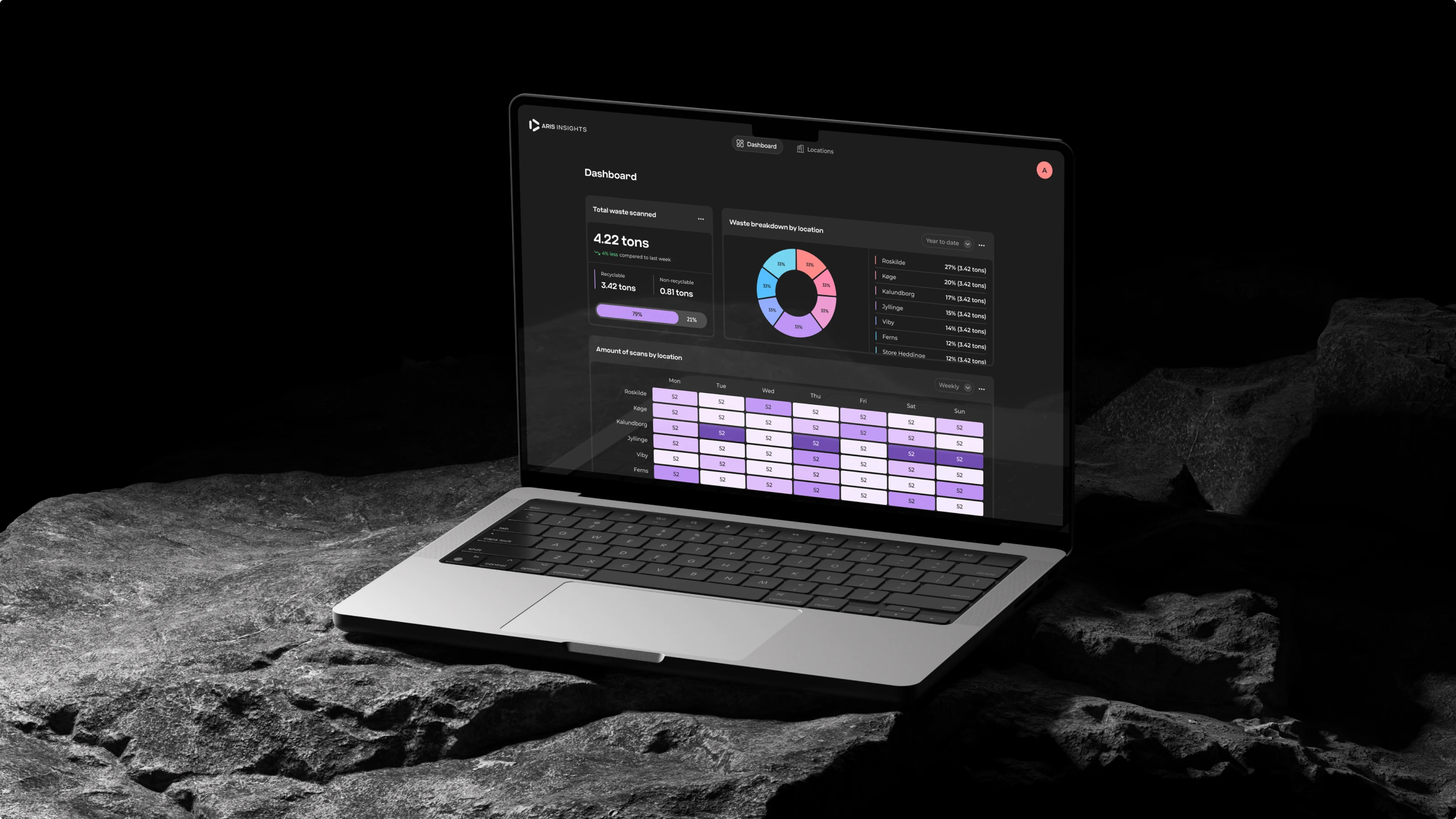
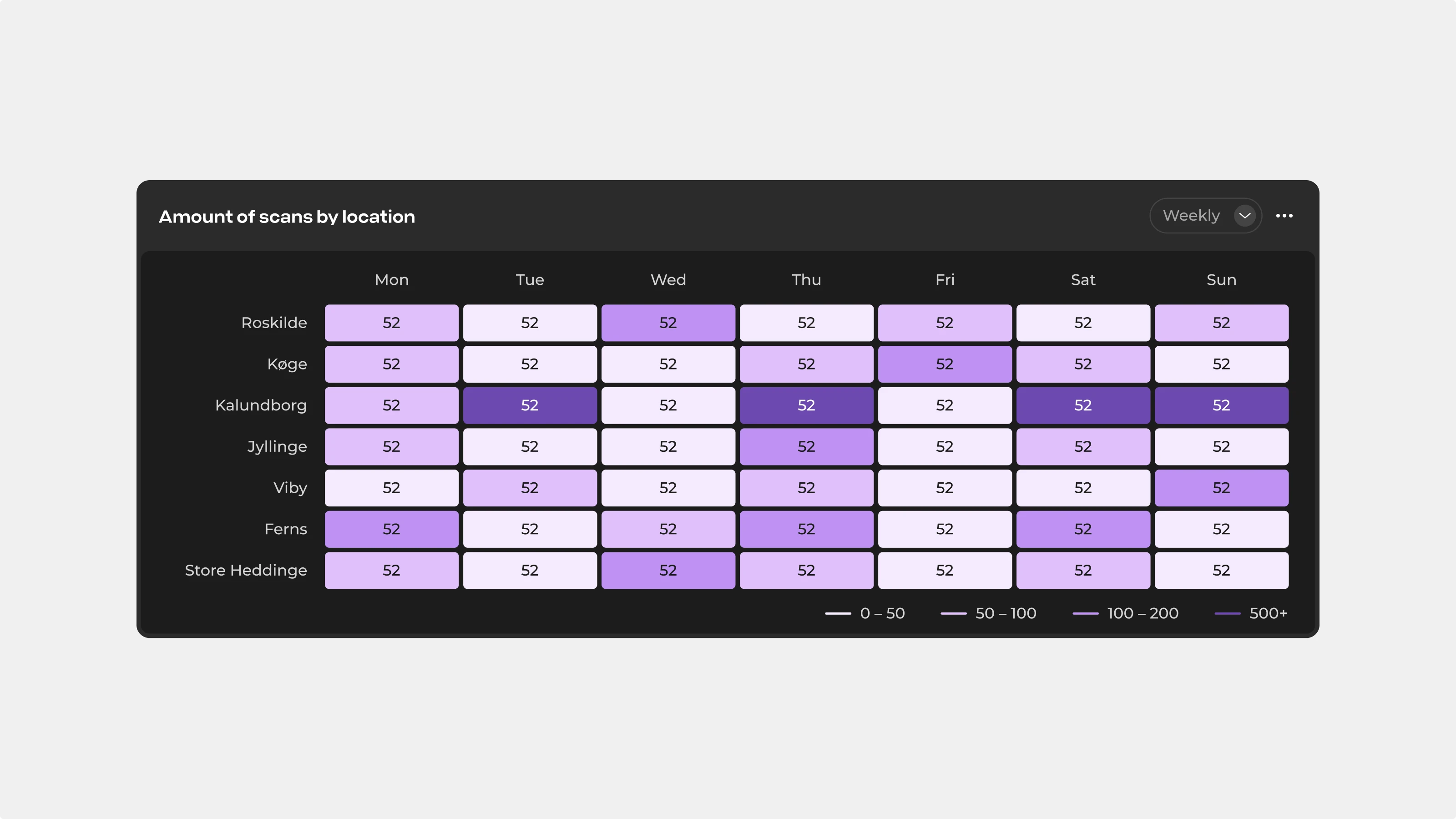
The finished design system is both functional and expressive. It captures the tone of the rebrand—modern, clean, and tech-forward—while supporting the technical sophistication of ARIS’s core platform.
Now, ARIS can ship faster with greater consistency. The system includes detailed documentation, reusable components, and visual standards that support both their internal development team and future product expansion.
The new design foundation doesn’t just reflect who ARIS is today, it gives them room to grow. It helps communicate complex capabilities more clearly, improves the overall user experience, and brings the product experience in line with the company's mission.
In a space where clarity, reliability, and sustainability matter, the design system is more than a toolkit, it’s part of the product’s strategic value.